
Pick the question first
TL;DR Most decision frameworks answer one of two questions: should I commit to this, or how should I think about it under uncertainty? Confusing the two is the most common failure I see. 37signals answers the first. Annie Duke answers the second. Pick the question first. The right framework follows.
A founder messages me: "I need a decision framework." I ask what the decision is. They cannot tell me. They want the framework first.
The framework is comfort. The decision is the work.

The Eight Moats and the Critical Path: From Claimed Defensibility to Earned Evidence
TL;DR Gokul Rajaram's 8 Moats framework, articulated in full on 20VC in March 2026, is the cleanest update to Hamilton Helmer's 7 Powers for the AI era. It is also dangerous if applied to a pre-seed or seed company without staging. By Rajaram's own admission, only three of the eight (Data, Workflow, Regulatory) are meaningfully assessable before Series A. The other five are post-scale phenomena that founders systematically claim and investors systematically credit. The Critical Path Layers framework supplies the missing discipline: it tells you at which CPL layer each moat earns its evidence, and what counts as evidence rather than intent. Without that overlay, the 8 Moats become moat theatre.

Coachability, Defined
"Coachable" is doing real work in real investment decisions.
No one has agreed what it means.
Fifteen years of research, term sheet language, accelerator screening forms, and coaching sales decks. Press any two practitioners for a definition and you will get two different answers.
Tatiana Somià published the most rigorous recent attempt last year in Cogent Economics & Finance. Fifteen competencies, five areas, stitched from four different literatures. When her investor panel and her coach panel disagreed about what counted as coachability, she resolved it by weighting the investors most. The final scale includes items the coaches in her own study said were coaching outputs, not coachability markers.
That is not a rigour problem. It is a construct problem. When you build a definition by negotiating across raters with different interests, what you produce is a map of what investors want to see in founders. Useful. Not the same thing as coachability.
Here is the definition I am willing to defend.
Three capacities, one precondition.
Seek feedback: the capacity to incorporate signals that do not originate in your own perception.
Reflect: the capacity to think past the mental models that constructed your current view.
Act: the capacity to break habits that worked at an earlier stage and no longer fit.
The precondition is courage. Before any of these can operate, the founder has to be willing to deliberately expose a blind spot. Not discover one by accident. Not admit one after the consequences are undeniable. Go looking for the view they have been avoiding.

The Narrative Layer: Why the Story Is More Powerful Than the Results
The Critical Path Layers framework identifies four cross-cutting dynamics that accelerate or impede corporate innovation at every stage: political capital, clock speed, organisational immune response, and the narrative layer. The first three are constraints. The narrative layer is different — it's the medium through which the other three operate. Political capital is spent and earned through stories about the initiative. Clock speed mismatches become visible when the story stops evolving. The immune response deploys counter-narratives to neutralise change.
What makes the narrative layer structural rather than cosmetic is that it must evolve as the initiative progresses through the CPL's layers. Each layer produces a different story because the initiative's relationship to the organisation has changed.

What happens to startups when they grow up
Truth is, most startups die.
— 9 out of 10 fail (according to Genome Project)
— 199 out of 200 (according to THNK & Deloitte Fast Ventures)
It’s the elephant in the room.
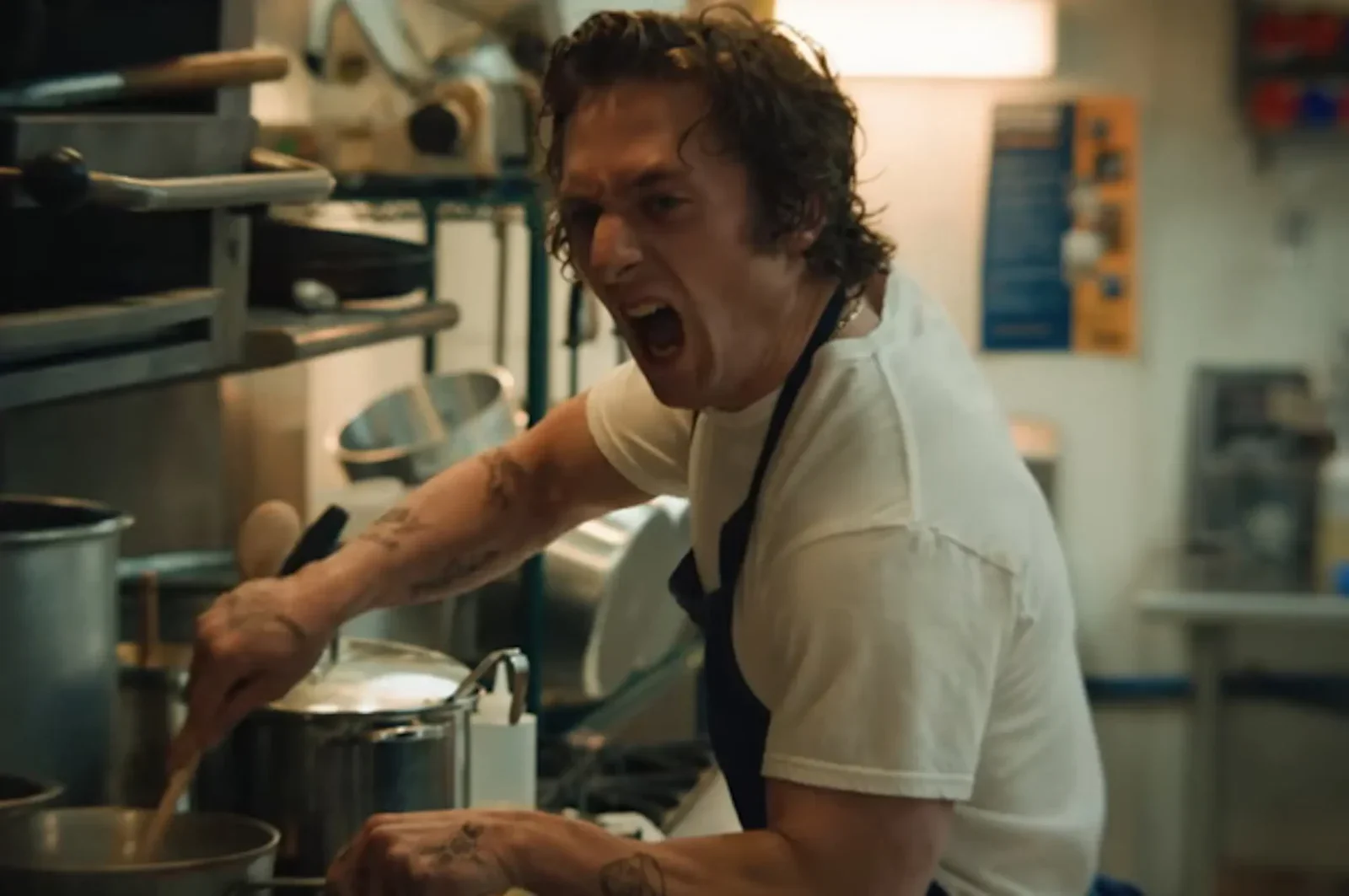
What The Bear Gets Right About Burnout (And What Your Workplace Gets Wrong)
TL;DR: Most conversations about sustainable performance start from the wrong premise—that the performance standards themselves are neutral. They're not. Before optimising for sustainability, ask: whose definition of "good" am I trying to meet? The answer might explain why it feels so hard.
You're exhausted. Not the kind of tired that sleep fixes—the kind that accumulates despite doing everything right. The productivity systems, the boundary-setting, the rest. You've tried it all.
The advice you get assumes the problem is execution. Work smarter. Delegate more. Manage your energy better.
But here's what that advice never questions: the performance standards themselves.

The Question That Changes Everything: Why Most Feedback Fails and What to Do Instead
Most feedback is useless.
Not because people lack good intentions. Not because organisations don't invest in training. But because we've been taught to give feedback in ways that trigger defensiveness, focus on personality rather than behaviour, and leave people with nowhere to go.

Beyond the AI Hype: Why Corporate Innovation Starts with Organisational Plumbing
A follow-up to "Corporate Innovation in the Age of AI: Navigating the Hype, the Hypertail, and the Hard Limits"
In my previous piece, I explored how corporate innovation leaders face four key scenarios in the age of AI: the "hypertail" overload of point solutions, the slow burn of transformation, regulatory compliance pressures, and talent bottlenecks.
While these strategic frameworks help navigate the landscape, they miss a more fundamental truth that's becoming increasingly apparent in boardrooms and innovation labs alike.
The real bottleneck isn't AI adoption—it's organisational readiness.